

Key Takeaways
- Contemporary fire safety systems combine cutting-edge technology for precise hazard detection and response.
- Regulatory adherence ensures legal protection and insurance compliance for property owners.
- Ongoing maintenance and comprehensive training are crucial for system reliability and emergency preparedness.
Table of Contents
- Understanding Fire Safety Systems
- Advanced Detection Technologies
- Integration with Building Management Systems
- Compliance with Regulations
- Maintenance and Training
- Cost Considerations
- Conclusion
Modern building safety relies on far more than just strong construction and aesthetic appeal. Selecting fire safety systems that offer rapid response, comprehensive detection, and seamless integration is essential for protecting people and property. This is increasingly vital as regulations become stricter and technology continues to evolve. For building owners and managers in Alaska and beyond, tapping into reliable fire extinguisher services Anchorage, AK, is an important first step in developing a holistic fire protection strategy that aligns with today’s safety standards.
Effectively mitigating fire risks means understanding which systems are available and how they interact within your specific building environment. Choosing wisely ensures not only occupant safety but also compliance and operational peace of mind. Smart, modern solutions, such as integrated alarms and real-time digital alerts, enable building management teams to respond more quickly than ever to potential threats. In today’s demanding landscape, prioritizing tailored fire protection is as much about proactive risk assessment as it is about reactive measures.
Understanding Fire Safety Systems
Fire safety systems are networks of devices and protocols designed to detect, alert, and control fire outbreaks. The basic components include smoke and heat detectors, alarms, sprinkler systems, and extinguishers. The precise mix of fire protection elements depends on several factors, such as building size, design, and the specific needs dictated by its occupancy. For example, residential high-rises, hospitals, and commercial office buildings all face unique threats and require custom approaches.
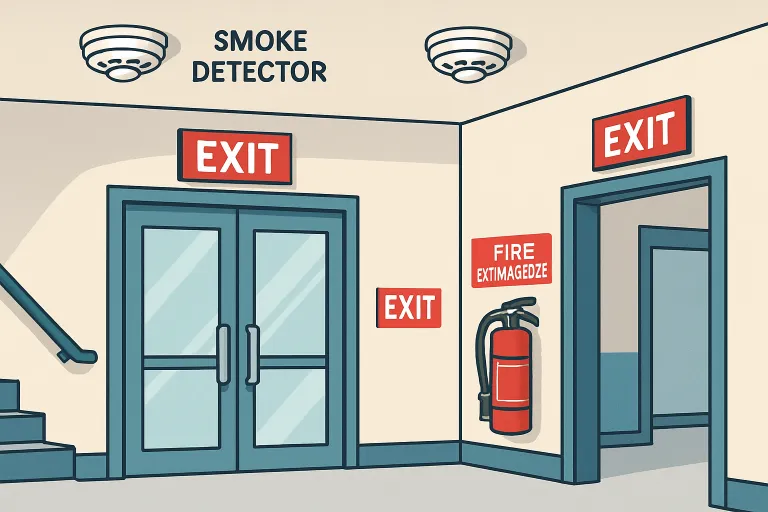
Modern life-safety strategies may include emergency lighting, clearly marked exits, and automated voice evacuation systems, each chosen based on the structure’s layout and risk profile. Making the right selection typically involves consulting fire safety professionals or local fire suppression service providers, ensuring the system aligns with the building’s practical realities and relevant legal codes.
Advanced Detection Technologies
The latest fire detection systems rely on advanced sensors and artificial intelligence to minimize risk and maximize response efficiency. Multi-sensor detectors analyze heat, smoke, and carbon monoxide simultaneously, providing quicker, more accurate alerts and reducing instances of false alarms that can disrupt daily operations or lead to complacency among occupants. AI-powered platforms go even further by learning from data, spotting subtle trends, and warning about hazards before they become critical, streamlining decision-making in high-pressure scenarios. According to the National Fire Protection Association (NFPA), these newer technologies are raising standards for early warning and reliable detection.
Integration with Building Management Systems
Integration with Building Management Systems (BMS) transforms fire safety from a siloed function into a key aspect of overall facility management. When fire systems and BMS platforms work in tandem, emergency responses become automated and coordinated. For example, during a fire alert, HVAC systems can shut down to prevent smoke circulation, doors may unlock to aid evacuation, and elevators can be redirected for fire department use. This networked approach ensures safety measures activate instantly and comprehensively, reducing the margin for human error and delay. Expert reports from Building Magazine further highlight how such interconnectivity can improve both safety and efficiency in today’s commercial spaces.
Compliance with Regulations
Fire safety is as much a legal issue as it is a practical necessity. Regulatory frameworks such as the NFPA 101 Life Safety Code and local fire codes lay out minimum system requirements for different building types. These rules are routinely updated to reflect new standards and innovations. Staying up to date on these regulatory obligations is key to legal compliance and avoiding significant fines or insurance complications. Building owners must also track changes in occupancy or renovations, as these can trigger updates or expansions of required fire protection measures. The U.S. Occupational Safety and Health Administration (OSHA) Fire Safety Requirements site is an essential resource for staying informed about evolving regulatory expectations.
Maintenance and Training
No fire safety system is truly effective without strict maintenance and periodic inspections. Alarms, sprinklers, and emergency lighting should be professionally checked, tested, and serviced regularly to ensure reliability. Replacing outdated batteries and addressing any identified issues right away prevents costly failures during critical moments. Equally, empowering building occupants and staff with up-to-date training on equipment use and evacuation procedures significantly enhances overall preparedness and reduces risks during emergencies. Periodic fire drills and hands-on training are cornerstones of a culture of safety.
Cost Considerations
The cost of modern fire safety systems varies with the complexity and size of the building, but investing in advanced technology often drives long-term savings. Smart detection devices, reliable suppression systems, and integrated controls can reduce damage during an incident, lowering insurance premiums over time. Calculating the cost-benefit ratio should factor in potential losses prevented, regulatory compliance, and reputation management. For most property owners, prioritizing up-to-date fire protection pays dividends in risk mitigation and peace of mind.
Conclusion
Building robust fire safety infrastructure is an investment in the well-being of both people and property. By understanding the available systems, complying with evolving regulations, leveraging the latest technology, and committing to diligent maintenance and training, owners and managers can build resilience against fire risks. The right choices today protect the communities of tomorrow, ensuring that safety remains at the heart of every modern building.
