


Key Takeaways
- Implementing eco-friendly lawn care practices enhances environmental health and reduces maintenance costs.
- Choosing native plants and grasses promotes biodiversity and requires less water and fertilizer.
- Proper mowing, watering, and fertilization techniques are essential for a sustainable lawn.
- Incorporating organic pest control methods protects beneficial insects and the ecosystem.
Introduction
Homeowners can now enjoy a vibrant, lush lawn without compromising the environment. By adopting sustainable approaches and eco-conscious strategies, you can create a beautiful yard that supports local ecosystems and conserves valuable resources. Whether you are planting new grass or upgrading your landscaping, these practices benefit not just your lawn but your entire community. Consider enhancing your outdoor space with paver patio installation Avon OH, to complement your sustainable landscape design.
Sustainable lawn care is about more than aesthetics. It is a commitment to safeguarding soil health, maintaining water efficiency, and encouraging biodiversity. Each choice you make for your yard, from plant selection to pest management, has a lasting impact on the surrounding environment. Thoughtful lawn care practices can create a picturesque green space and deliver tangible benefits for local wildlife and water systems.
Unlike conventional methods that may rely heavily on chemicals and excess irrigation, sustainable lawn care emphasizes natural solutions and resource-wise habits. This shift can reduce long-term costs, minimize pollution, and create more resilient landscaping overall. Prioritizing eco-friendly lawn care can also improve the health and comfort of your home environment. For more in-depth guidance on eco-friendly gardening, you can visit the EPA’s Lawn and Garden Care page.
Here are proven, actionable steps for creating and maintaining a sustainable, healthy lawn.
Choose Native Plants and Grasses
Native plants and grasses are the most sustainable choice for any lawn. Because these species are well-adapted to your local climate, they require less supplemental water and fertilizer during the growing season. Over time, they build up soil fertility and reduce the need for ongoing maintenance. Native wildflowers and grasses can also attract beneficial insects and important pollinators, fostering a dynamic, healthy yard.
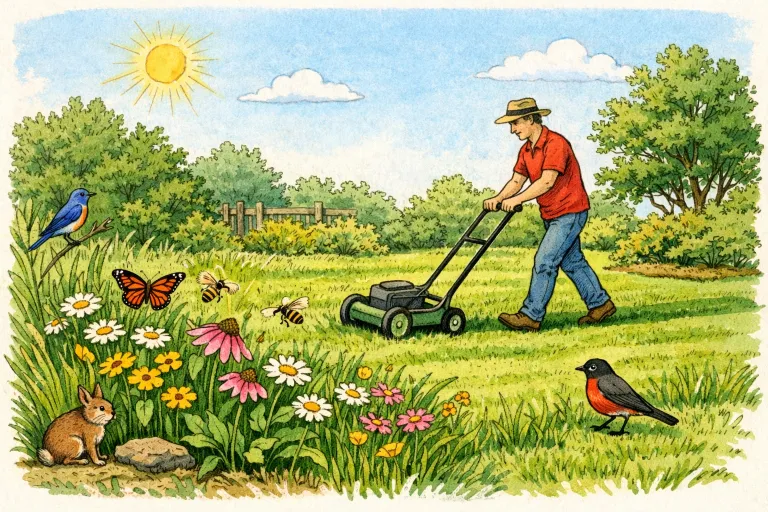
Adding native plant varieties to your landscape not only saves you time and resources but also helps promote local biodiversity. These plantings create habitats for birds, butterflies, and other wildlife, making your outdoor space more lively and vibrant year-round.
Implement Proper Mowing Techniques
How you mow your lawn directly influences its health and sustainability. Mow at the appropriate height for your grass type, generally leaving at least two to three inches of blade. Avoid removing more than one-third of the grass in a single mowing session. Taller grass shades the soil, reduces evaporation, and encourages deep root development. Allowing grass clippings to remain on the lawn, a technique known as “grasscycling”, recycles nutrients back into the soil, minimizing the need for chemical fertilizers.
It is also vital to keep mower blades sharp and equipment well-maintained. Dull blades tear the grass, increase vulnerability to disease, and create unsightly brown tips. A regular mowing schedule boosts lawn resilience and limits the spread of weeds or pests.
Water Wisely
Strategic watering is a major factor in sustainable lawn management. Irrigate your lawn deeply but infrequently, encouraging grass roots to grow down into the soil and increasing drought tolerance. The optimal time to water is early morning, when temperatures are cool and winds are calm, reducing evaporation. Modern irrigation solutions, such as rain sensors and drip systems, can help control moisture intelligently and avoid excess runoff.
Following local irrigation guidelines not only saves water but also ensures compliance with community regulations. Overwatering can lead to shallow roots, increased disease risk, and wasted resources. Using efficient watering practices, homeowners can significantly reduce their environmental footprint. For further details on efficient irrigation, check Better Homes & Gardens’ guide to lawn watering.
Use Organic Fertilizers
Shifting away from synthetic fertilizers toward organic options builds a more balanced, self-sustaining ecosystem in your lawn. Materials like compost, aged manure, and slow-release organic fertilizers feed the soil gradually and enhance microbial activity. These natural amendments enrich soil structure, improve moisture retention, and decrease the need for chemical treatments.
A healthy soil ecosystem is key to a resilient yard. Organic fertilizers not only keep grass vibrant but also buffer against pests, diseases, and extreme weather events. Applying compost or organic matter in early spring and fall helps nutrients be absorbed during critical growth periods.
Incorporate Organic Pest Control Methods
Opt for natural pest management solutions that avoid the harmful effects of conventional chemicals. Introduce beneficial insects, such as ladybugs and predatory beetles, to keep pest populations in check. When dealing with outbreaks, organic options such as neem oil or insecticidal soap can target specific problems without harming pollinators or the environment.
Keeping a diverse plant community also reduces lawn vulnerability to pests. Healthy, organic lawns have greater natural resistance and recover more quickly from minor pest pressures.
Practice Lawn Aeration
Aerating your lawn relieves compacted soil and improves the movement of air, water, and nutrients to the grass roots. Hard, compacted ground restricts root growth and limits the effectiveness of irrigation or fertilization. Aeration is especially important in high-traffic areas, where soil compacts more quickly. By aerating your lawn at least once a year, you promote healthier grass, better yard drainage, and less surface runoff.
Conclusion
Sustainable lawn care protects your property’s beauty and resilience while supporting local ecosystems and reducing maintenance costs. Choosing native plants, mowing mindfully, watering intelligently, using organic fertilizers, and opting for natural pest controls are all effective steps toward a greener future. Lawn aeration keeps your soil and grass robust against pressure and environmental stresses. By integrating these practices into your routine, you can take pride in a landscape that is as beneficial to the environment as it is attractive and enjoyable for your family and community.
