

Key Takeaways
-
Groundcovers are essential for stabilizing soil on slopes and preventing erosion.
-
Choosing the right plants can reduce maintenance and enhance aesthetic appeal.
-
Proper planting techniques and maintenance are vital for the success of groundcovers on slopes.
Table of Contents
-
Why Choose Groundcovers for Slopes?
-
Top Groundcover Plants for Sloped Landscapes
-
Planting and Maintenance Tips
-
Common Challenges and How to Overcome Them
-
Using Mulch and Erosion Control Mats
-
DIY vs. Hiring Professionals
-
Conclusion
Transforming a sloped landscape into a stable and visually appealing area can be challenging. The right groundcover plants not only enhance the beauty of these spaces but also play a crucial role in preventing soil erosion and reducing maintenance efforts. For residents in Southern California, considering professional services like hydroseeding groundcovers southern california can be an effective solution. Quality Hydroseeding & Restoration, a locally-owned company with over four decades of experience, specializes in hydroseeding slopes and hillsides with native plants and flowers to aid in erosion control and landscaping needs.
Why Choose Groundcovers for Slopes?
Sloped areas are prone to soil erosion due to water runoff and gravity. Groundcover plants offer several benefits:
-
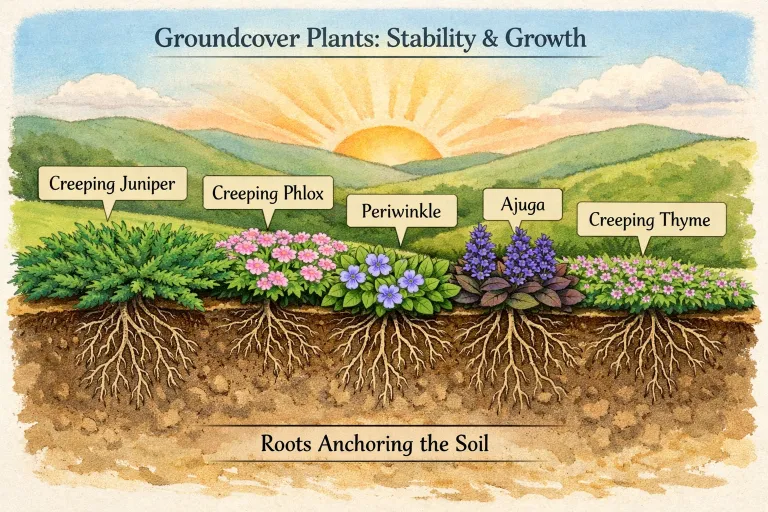
Erosion Control: Their root systems help anchor the soil, reducing the risk of erosion.
-
Low Maintenance: Once established, many groundcovers require minimal upkeep compared to traditional lawns.
-
Aesthetic Appeal: They add texture, color, and variety to the landscape.
-
Water Conservation: Many groundcover species are drought-tolerant, making them ideal for dry or arid slopes common in areas like Southern California.
-
Wildlife Habitat: Certain groundcovers provide food and shelter for beneficial insects and small wildlife, contributing to local ecosystem health.
Top Groundcover Plants for Sloped Landscapes
Here are some effective groundcover options for sloped areas:
Creeping Juniper (Juniperus horizontalis)
A hardy evergreen that thrives in full sun and well-drained soils. Its dense foliage provides excellent erosion control and year-round greenery.
Creeping Phlox (Phlox subulata)
Known for its vibrant spring blooms, this plant forms a dense mat that helps stabilize soil on slopes.
Periwinkle (Vinca minor)
An evergreen groundcover that spreads quickly, offering erosion control and attractive blue or purple flowers in spring.
Ajuga (Ajuga reptans)
Also known as Bugleweed, Ajuga features striking foliage and blue flower spikes, thriving in various light conditions.
Creeping Thyme (Thymus serpyllum)
A fragrant, low-growing plant that tolerates foot traffic and thrives in sunny locations.
California Native Options
For Southern California, incorporating native groundcovers such as California lilac (Ceanothus), Dwarf Coyote Brush (Baccharis pilularis), or Prostrate Acacia (Acacia redolens) can provide drought resistance and support native wildlife.
Planting and Maintenance Tips
To ensure the success of groundcovers on slopes:
-
Site Preparation: Clear the area of weeds and debris. Improve soil quality by adding compost if necessary.
-
Planting: Space plants closer together to achieve quicker coverage. Planting in early spring or fall is ideal.
-
Watering: Water regularly until plants are established. Mulching can help retain moisture and suppress weeds.
-
Maintenance: Monitor for pests and diseases. Prune as needed to maintain desired growth and appearance.
-
Weed Control: Keep a close eye on the spread of weeds, especially during the first year, as they compete for resources with young groundcover plants.
-
Fertilization: Many groundcovers require little to no fertilization once established, but a light application during the planting phase can support root development.
Common Challenges and How to Overcome Them
Establishing groundcover on slopes comes with unique challenges:
-
Steepness and Accessibility: Consider using stepping stones or paths to access sloped areas safely without disturbing young plants.
-
Erosion Post-Planting: Use jute netting or biodegradable erosion control blankets after planting to help hold soil in place as roots become established.
-
Poor Soil Quality: Amending soil with organic matter and mulch before planting can address compaction and nutrient deficiencies common on slopes.
-
Drought: Use drought-tolerant species, and group plants with similar water needs to maximize irrigation efficiency.
Using Mulch and Erosion Control Mats
Besides plant selection, supplemental soil protection can make a difference in slope stability:
-
Mulch: Apply a layer of organic mulch (such as wood chips or shredded bark) around plants. Mulch helps to retain soil moisture, suppresses weed growth, and reduces erosion from rain runoff.
-
Erosion Control Mats: Install biodegradable mats made from coconut fiber, straw, or jute as a temporary measure while plants establish. These mats hold soil in place during heavy rainfall and gradually decompose as groundcovers fill in.
DIY vs. Hiring Professionals
Homeowners may wonder whether to take on sloped landscaping projects themselves or hire professionals:
-
DIY Approach: Suitable for smaller slopes or areas with gentle grades, especially for gardeners with some landscaping experience. Be prepared for physical labor and thorough research on plant selection, spacing, and soil preparation.
-
Professional Services: Consider hiring specialists, like companies offering hydroseeding or erosion control services, if dealing with steep gradients, large areas, or poor access. Experts can recommend and implement the best solutions quickly, often with warranties or guarantees.
-
Cost Considerations: While DIY can be cheaper upfront, improper installation can lead to higher long-term costs from plant loss or soil erosion. Evaluate the investment accordingly.
Conclusion
Choosing the right groundcover plants is essential for transforming sloped landscapes into stable, low-maintenance, and visually appealing areas. By selecting appropriate species and following proper planting and care techniques, you can effectively prevent erosion and enhance the beauty of your outdoor space.
Whether you decide on a DIY solution or professional hydroseeding services, prioritize soil stabilization and choose plants suited to your site’s climate and conditions. Over time, well-chosen groundcovers will reward you with a resilient and vibrant landscape that requires minimal upkeep yet offers maximum visual impact and ecological benefit.
